
Nail Salon Insurance by State
Nail Salon Insurance in Alabama
The shop license, the manicurist license, inspection and workers’ compensation, read from the board’s rule book and the labor department’s own page.
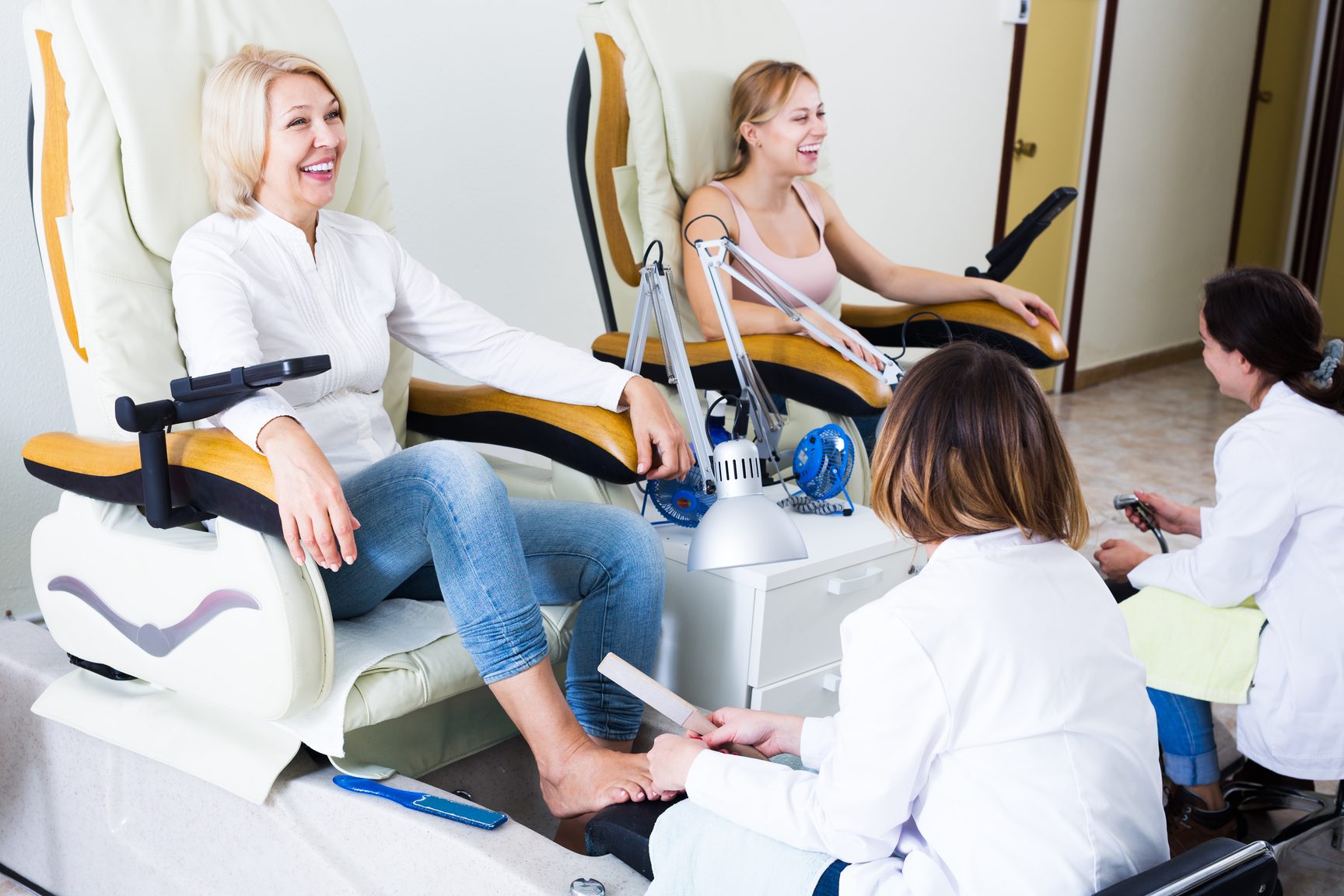
Alabama licenses the place and the person separately. A shop license comes from the Alabama Board of Cosmetology and Barbering, a manicurist license sits beside it for each technician, and the board’s staff inspect the shop. On the insurance side, the state’s labor department publishes the ways an employer may cover workers’ compensation, and that list names no state-created insurer.
This page reads the board’s rule book and the labor department’s page, then ties each to a policy. It says plainly where the documents we read stop.
The shop license from the Alabama Board of Cosmetology and Barbering
The rules call it a shop license, and it is the board’s business license for the place where services are performed. Under the board’s general requirements rule for shops an applicant sends an application and the fee, passes a physical inspection and approval of the premises by board staff, and gives proof that the location is properly zoned. The Act defines a shop as any place where cosmetology is practiced, and it reaches nail technology, manicure and pedicure.
Who may run the shop is narrow: only a properly licensed person who is not an apprentice or a student may operate one. Maintaining a shop without a license when one is required is a misdemeanor under Ala. Code § 34-7B-7. The rules also have the shop display its license at the reception area near the entrance, with personal licenses posted near each work station.
Manicurist licenses and the routes to one
A technician needs a manicurist license before working on clients; Ala. Code § 34-7B-21 sets the qualifications. The school route is seven hundred fifty clock hours of manicure instruction in a school licensed or registered under the chapter. The apprentice route is twelve hundred hours under the immediate supervision of a licensed manicurist. Either way, the applicant must also successfully complete the examination that applies. The Act licenses a combined manicurist and waxer too.
The board’s book also prints a Cosmetology Licensure Compact as its own article. We list it as the book prints it; we have not verified Alabama’s membership status, so we do not rely on it.
Why this matters when a carrier quotes the salon: the licenses are the proof the work is being done by people the state recognizes. A shop that employs an unlicensed person to practice where a license is required violates the chapter under the board’s rule on unlicensed personnel, and it can be disciplined.
Inspection by board staff
Under the board’s inspections rule, every shop the board licenses is subject to periodic inspection by board staff, to check compliance with Alabama law and the board’s rules. A shop that has no license when one is required, or that has unlicensed personnel, is scored zero on inspection and can face discipline. A shop that scores below the rule’s passing mark for a violation other than a license violation is inspected again. The latest inspection report is posted near the shop license.
The health and safety rule bars a licensee from working at a location that does not meet proper health and safety requirements. It also bars methyl methacrylate in the shop and any drill not marked or intended by the manufacturer for human nails.
What the labor department publishes on workers’ compensation
The Alabama Department of Labor and Workforce publishes an insurance requirement page from its Workers’ Compensation Division. It says the way an employer insures this liability is the employer’s decision, and it lists the ways: an approved commercial carrier on the voluntary market, an assigned risk pool for employers the carriers decline, a group self-insurance fund, or individual self-insurance for an employer who qualifies.
No state-created insurer or state fund appears on that list. That finding rests on the agency page, not on statute text, and the page itself says it is distributed for information and does not have the effect of law. The documents we read for this page do not settle the rest of the state’s workers’ compensation rules, so this page does not state them.
Insurance or a bond as a condition of the license
We searched the board’s rule book and the chapter on salon requirements for insurance, liability, bond, surety and financial responsibility. The shop license requirements list an application, the fee, inspection and zoning proof, and the manicurist qualifications list age, schooling, hours and examination; neither names insurance or a bond. The bond and the liability policy we found belong to school licenses. Whatever policies you carry, this licensing text does not call for them.
The five coverages against Alabama’s rules
General liability answers a client’s injury or property claim. Alabama’s rules shape what a claims reviewer will look at: the scope of the license, the banned tools and products, and the cleanliness of the premises that inspectors score. Keep the latest inspection report with your policy file.
Property insurance insures the contents and improvements you own. The board approves the premises and wants proof of proper zoning, and it prohibits using a shop as living, dining or sleeping quarters, so the address and use on your policy should match what the board approved.
Workers’ compensation in Alabama is bought through the routes the labor department lists, and the list has no state insurer on it. For a salon with technicians on payroll, a commercial policy through an agent is the route this page can describe.
Commercial auto matters mainly to a mobile salon: its license application carries registration and insurance certificates for the motorized vehicle, as the board’s mobile salon rule describes.
Umbrella sits over the policies above. Because the shop and manicurist requirements we read name no insurance, nothing in them sets a limit for an umbrella to meet; any such requirement comes from your lease or lender. The hub ties all five together.
What we ask you to send
Send the shop license as the board issued it, the license name of each technician, and the latest inspection report. Those are the documents the rules tell you to display, and they let us confirm the shop and the people match what the board approved. Tell us whether the shop is in a residence or a mobile unit, because the board’s rules treat each differently. Send your payroll count too, so we can see which of the labor department’s routes fits.
A license lets the salon open its doors; the insurance program is what answers a claim.
- A license is a condition of operating, not insurance, so no line is drawn from the license itself.
- Workers’ compensation is not verified at the state level, so no line is drawn from it.
A panel for Alabama in rows. Each row sets a requirement of the state beside the exposure that requirement leaves open and the coverage line that answers it. Salon license: The state licenses the salon itself. It leaves open a customer hurt in the salon, or a customer’s property damaged there, which General Liability answers. Technician license: The state licenses the person doing the nails. It leaves open a client hurt during a manicure or pedicure, which General Liability answers. Workers’ compensation: Not verified at the state level. No connector is drawn for this row. Notes: A license is a condition of operating, not insurance, so no line is drawn from the license itself. Workers’ compensation is not verified at the state level, so no line is drawn from it. The conclusion reads: A license lets the salon open its doors; the insurance program is what answers a claim. No figures are shown.
Nail salon insurance in nearby states
Alabama borders the states below. A name is a link once its page is published.
Why Protect My Nail Salon in Alabama
We are an independent agency that writes for one kind of business, the nail salon, and each state page starts from the state’s own licensing and workers’ compensation documents. When we quote a salon in Alabama we read the policies against those rules and against your lease, and we tell you plainly where something does not line up.
We place coverage in 48 states, and every coverage on one page sets out the five policies a salon program is built from. Our guides for salon owners take single questions further; for an owner in Alabama, a good next read is our guide to professional liability for nail salons, because a claim from the service itself can sit outside a plain general liability form.
Alabama coverage pages
Coverage for your salon
Alabama nail salon insurance questions
What is the Alabama shop license, and who hands it out?
The Alabama Board of Cosmetology and Barbering issues it, and the rules call it a shop license. A shop is any place where cosmetology is practiced, and the Act defines cosmetology to include nail technology, manicure and pedicure.
Does my shop get looked at before it is licensed?
Yes. The board’s rule requires an application, the fee, and a physical inspection and approval of the premises by an authorized member of board staff before a shop license issues. The applicant also has to show proof that the location is properly zoned.
Which route to a manicurist license is the shorter one?
The Act sets two routes. One is seven hundred fifty clock hours of manicure instruction in a licensed or registered school. The other is twelve hundred hours under the immediate supervision of a licensed manicurist, as an apprentice. We read the hours as printed and do not rank them.
What if I put an unlicensed technician on my floor?
The board’s rule says a shop employing an unlicensed person to practice when a license is required violates the chapter, and the board may take disciplinary action. An inspection of a shop with unlicensed personnel is scored zero.
Is there an Alabama government insurer on the labor department’s list?
The labor department’s page on insurance requirements lists commercial carriers, an assigned risk pool, group self-insurance funds and individual self-insurance as the ways to insure. It lists no state-created insurer. That page is agency information, not statute text.
Does the board make a shop prove liability insurance to get a license?
In the two documents we searched, the requirements for a shop license and a manicurist license name no insurance or bond. The bond and liability policy we found attach to school licenses, which a salon does not hold.
This page describes insurance for nail salons operating in this state. It is general information, not legal advice and not a statement of coverage. Licensing, registration and sanitation requirements change; verify current requirements with the agency named before relying on them.
Get a quote for your Alabama nail salon
Send us your shop license, your technicians’ license names and your payroll count, and we will line them up against the policies below.