
Nail Salon Insurance by State
Nail Salon Insurance in Wyoming
Wyoming licenses the salon and every technician through its Board of Cosmetology, and runs workers’ compensation through a state division. Here is what each rule changes about the policies you buy.
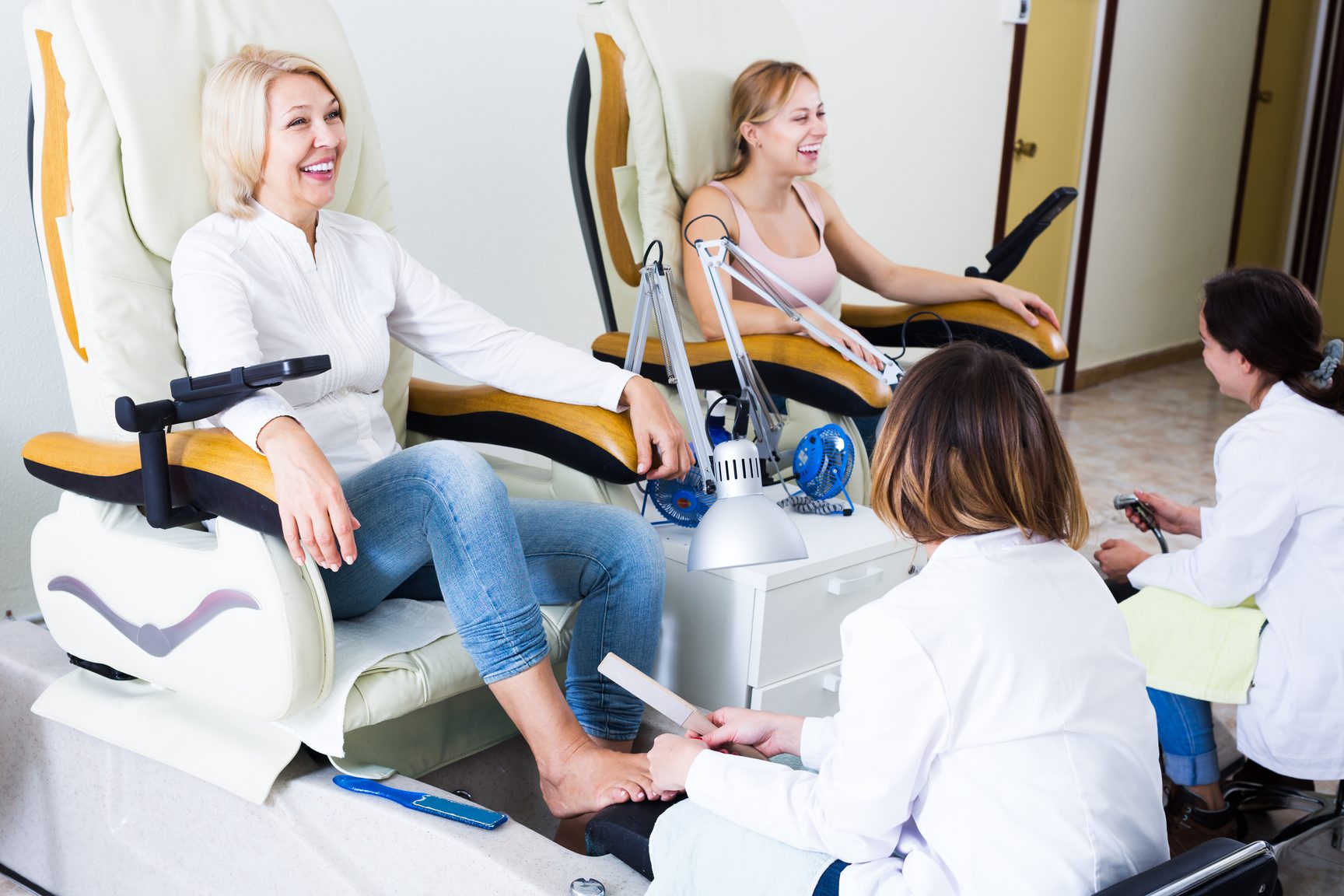
A Wyoming nail salon works under two sets of state rules that shape what it buys. The Wyoming Board of Cosmetology issues the salon license and the technician licenses, and inspects every salon each year. Workers’ compensation runs through a state division, and the salon’s line of work is not among the employments the statute lists, which makes coverage for a salon with staff something the owner brings in by election rather than something the list imposes. The licensing act sets no insurance or bond condition that we found.
The sections below take the licensing rules first and then the compensation rules, each as the state’s own documents print them, and then say what each one changes about the five coverages. The reader we have in mind rents the space and has technicians on the payroll. Where a policy has its own page, this page links to it instead of explaining the policy again.
One license for the place, issued in the owner’s name
The Board of Cosmetology issues what its salon page calls the “Salon license.” The licensing act is plain about when one is needed: no place may be maintained and operated for the practice or teaching of manicuring or nail technology except under a license issued in compliance with the act and the board’s rules (Wyo. Stat. § 33-12-127(a)). A nail salon is therefore not licensed through its technicians alone. The room itself needs its own license before the first client sits down.
The same section says the license is issued in the name of the owner of the salon (Wyo. Stat. § 33-12-127(c)). For the insurance, that makes the licensed name and the named insured two things to compare. A quote, a lease and a license that name three different people or entities invite questions, and a salon that moves has a new place to license and a new location to schedule on the policy at the same moment.
The board’s salon page adds a timing rule that it publishes as an instruction rather than a statute: salon applications must reach the board office fifteen days before opening. For an owner signing a lease, that is the date to work back from, and it is also the date by which the property and liability policies should be quoted, since the landlord will ask for certificates before keys change hands. Ask for those quotes while the application is still in the mail, so the opening date does not wait on an insurance question.
The nail technician license and the two ways to hold one
No person may engage in the practice of manicuring or nail technology except under a license (Wyo. Stat. § 33-12-127(a)). The license a nail worker holds is the manicurist or nail technician license, and it is separate from the salon’s. An owner who also does nails holds both.
The act gives two routes in. The first is by examination: the applicant graduates from a manicuring or nail technology school and then sits the board examination (Wyo. Stat. § 33-12-130). The second is by endorsement without examination, open to an applicant who is a qualified and currently licensed manicurist or nail technician in another state, who submits an application, a certification from the licensing agency of that state, proof of meeting the section and the fee (Wyo. Stat. § 33-12-132). The endorsement route has limits of its own: the act bars it for an applicant from a state that does not require a board examination, so a license from elsewhere is not a guaranteed shortcut for a new hire.
Why this matters when a carrier quotes the salon: the application asks who works on the floor and under what license, and the Wyoming answer is not left to the owner’s judgment. The act directs that no school or salon shall employ, hire or in any manner allow an individual to practice without a current license for that practice, and it makes a person who practices for compensation without the applicable license guilty of a misdemeanor. An unlicensed technician is therefore a licensing violation by the salon and a fact an underwriter will want explained, not just a staffing gap.
A certificate for the independent contractor inside your salon
Wyoming has a feature that renters of space will recognize. Upon a licensee’s request, the board may issue a certificate to practice, as an independent contractor within a salon, the activities the license authorizes (Wyo. Stat. § 33-12-127(e)). The board’s salon page lists the independent contractor license among the items that must be posted in the salon, next to the salon license and the personal licenses.
For the owner, the certificate settles a licensing question and leaves an insurance question open. It tells you the technician may work in your salon as a contractor. It does not tell a carrier how to treat that person for premium, and the documents we read do not address that. Keep a copy of each certificate with the technician’s license, because the same file answers both the board and the underwriter.
Annual inspection looks at licensure first
The act makes it a board duty to inspect, or appoint persons to inspect, all salons each year (Wyo. Stat. § 33-12-123). What the inspection is aimed at, in the act’s words, is proper licensure of the salon and of every manicurist or nail technician, whether practicing as a proprietor, employee or independent contractor, and compliance with the act and the board rules.
The board’s salon page, which is the board’s own publication and not statute, adds what has to be on the wall: the salon license, the personal and independent contractor licenses, and the Infection Control Standards. It also lists plumbing and floor-covering requirements for the premises. Those are the board’s requirements for the room, and they bear on the property policy, since a build-out that has to meet them is an improvement the policy should be written to include.
Workers’ compensation runs through a state division and a state account
Wyoming’s workers’ compensation title defines “division” as the worker’s compensation division within the department of workforce services (Wyo. Stat. § 27-14-102). The money received under the act is credited to the worker’s compensation account (Wyo. Stat. § 27-14-701), and the program is to be neither more nor less than self-supporting (Wyo. Stat. § 27-14-201). Employers send the division a true copy of the payroll of their employees engaged in extrahazardous employment (Wyo. Stat. § 27-14-202).
The start-up rule is a plain one. An employer subject to the act may not commence business or engage in work in the state without applying for coverage and receiving a statement of coverage from the division (Wyo. Stat. § 27-14-207). The department of workforce services’ employer page tells new employers the same thing in its own words. A Wyoming salon owner who is subject to the act applies to the division and pays into the worker’s compensation account. We describe what the sections say and stop there.
The salon’s trade is not on the list, so coverage and owner coverage come by election
The act applies to employments the statute lists and deems extrahazardous (Wyo. Stat. § 27-14-108). The list is built from industry sectors, and the record we hold reads them through the personal and laundry services subsector: the only entries are dry-cleaning and laundry services and one other personal services industry, pet care. Personal care, where a nail salon sits, is not named.
That is not the end of the matter. An employee not enumerated, or not employed in an enumerated extrahazardous employment, may be covered if the employer elects to obtain coverage and makes the payments the act requires (Wyo. Stat. § 27-14-108). So the threshold for a salon is a decision, not a headcount. A salon with technicians on payroll is covered under the act when the owner elects it, and without that election the salon is outside the list. The documents we read give no headcount trigger for a nail salon, and we do not supply one.
The act’s definition of employee excludes a sole proprietor or a partner of a business partnership unless coverage is elected, and it excludes an officer of a corporation unless coverage is elected (Wyo. Stat. § 27-14-102). The election itself belongs to any corporation, limited liability company, partnership or sole proprietorship, and it covers any or all of its corporate officers, limited liability company members, partners or the sole proprietor, by notifying the division in writing (Wyo. Stat. § 27-14-108).
An owner who works the floor should read that as follows. The owner is not covered by default, and neither is a partner or a corporate officer. The salon that wants the owner covered has to elect it, and an employer that elects coverage for those people must, if it has other employees, elect coverage for its employees at the same time. Put the two elections on the same page of the application so the policy reflects the choice the owner made.
The licensing act sets no insurance or bond condition we could find
We searched the saved documents for any insurance, liability, bond, surety or financial responsibility term attached to the salon license. The documents were the enrolled licensing act, the board’s salon information page, the later bill text and digest, and the board’s rules package. We found none. Our reading of the board’s full rule chapter is not complete, so this finding stops at those documents: they do not settle whether any other rule adds a condition.
The practical result is that a Wyoming salon buys liability and property insurance because of its lease, its clients and its own appetite for risk, not because the license form asks for a certificate. A landlord who requires a certificate is setting a private condition, and the policy limits that satisfy it are a matter between the owner and the lease, which is why we ask for the lease early.
The five coverages against Wyoming’s rules
General liability is rated on the premises it covers. The Wyoming licensing act ties a salon license to a place, so the premises on the license and the premises on the policy are the same address, and the technician who is licensed to work on a client in that room is the person the policy’s operations description should name. The licensing act does not require a liability policy, so the limit follows the lease.
Business personal property and tenant improvements follow the room. The board’s salon page lists plumbing, floor-surface and sink requirements for the premises, and a salon built to meet them has installed work that a tenant’s property policy should schedule. The lease decides who insures the building; the license decides the shape of the room.
Workers’ compensation is where Wyoming’s rules read differently from the licensing side. The statute names the worker’s compensation account and the division within the department of workforce services, requires an employer subject to the act to apply and receive a statement of coverage before commencing work, and leaves a salon outside its list unless the owner elects. The owner’s own coverage is a second election. We say what the sections say and do not claim more about the rest of the market.
Commercial auto is the one coverage on this page where we found nothing in the Wyoming licensing or compensation sections that changes the answer. A salon whose staff drive for the business keeps the auto policy on its own terms, and we do not read anything into the Wyoming sections beyond that.
Umbrella coverage sits over the underlying policies, and its terms ask what those policies carry. Because Wyoming sets no insurance condition for the license, nothing in the state’s rules fixes the umbrella limit. The decision comes from the lease and from the underlying general liability and auto limits. The nail salon insurance hub shows how the pieces fit together.
What we ask you to send, and why
Send the salon license, because it fixes the address and the owner’s name that the policy must match. Send each technician’s license and any independent contractor certificate, because the act makes licensure the first thing an inspector looks at and the first thing an underwriter will ask about. Send the lease and the build-out plan so the property and liability policies can be written to the room.
For compensation, send the payroll summary and tell us whether you have elected, or want to elect, coverage for yourself and your employees, and whether you hold or have applied for a statement of coverage from the division. We use those documents to place the policies and to flag anything the Wyoming sections leave open, including the points where the documents we read stop.
A license lets the salon open its doors; the insurance program is what answers a claim.
- A license is a condition of operating, not insurance, so no line is drawn from the license itself.
- Workers’ compensation is written only through the state fund, so no line is drawn to a private policy.
A panel for Wyoming in rows. Each row sets a requirement of the state beside the exposure that requirement leaves open and the coverage line that answers it. Salon license: The state licenses the salon itself. It leaves open a customer hurt in the salon, or a customer’s property damaged there, which General Liability answers. Technician license: The state licenses the person doing the nails. It leaves open a client hurt during a manicure or pedicure, which General Liability answers. Workers’ compensation: State law requires it, written through the state fund. No connector is drawn for this row. Notes: A license is a condition of operating, not insurance, so no line is drawn from the license itself. Workers’ compensation is written only through the state fund, so no line is drawn to a private policy. The conclusion reads: A license lets the salon open its doors; the insurance program is what answers a claim. No figures are shown.
Nail salon insurance in nearby states
Wyoming borders the states below. A name is a link once its page is published.
Why Protect My Nail Salon in Wyoming
We are an independent agency that writes for one kind of business, the nail salon, and each state page starts from the state’s own licensing and workers’ compensation documents. When we quote a salon in Wyoming we read the policies against those rules and against your lease, and we tell you plainly where something does not line up.
We place coverage in 48 states, and every coverage on one page sets out the five policies a salon program is built from. Our guides for salon owners take single questions further; for an owner in Wyoming, a good next read is our guide to choosing an insurance company for a small salon, because the state writes workers’ compensation and the private market writes the rest of the program.
Wyoming coverage pages
Coverage for your salon
Wyoming nail salon insurance questions
Does my Wyoming salon license have to be in my own name?
The licensing act says the licenses it requires are issued in the name of the licensed technician or the owner of the salon, so the salon license is issued in the owner’s name. The board is the issuer, and the same act ties the license to a place. If you change who owns the salon, confirm with the board before the insurance is changed.
Who commits the offense when an unlicensed person works in a Wyoming chair?
The act reaches both sides. It bars a salon from employing, hiring or in any manner allowing an individual to practice without a current license, and it makes a person who practices for compensation without the applicable license guilty of a misdemeanor. A carrier reading your application will look for the technician’s license for that reason.
Does the Wyoming act list nail work among the employments it covers?
We read the enumerated sectors in the workers’ compensation title, and personal care services are not among them; in the personal and laundry services subsector only two industry groups are listed, and neither is nail work. The title lets an employer elect coverage for employees who are not enumerated. A salon with staff on payroll can therefore be covered by election.
If I cover myself under the Wyoming act, do my employees have to come in too?
Yes. An employer that elects coverage for its officers, members, partners or sole proprietor must, if it has other employees, simultaneously elect coverage for them, unless they are already covered. The election is made by notifying the division in writing. Ask us to line the election up with the policy dates.
Which Wyoming office issues the statement of coverage?
The worker’s compensation division within the department of workforce services. An employer subject to the act may not commence business or engage in work in the state without applying for coverage and receiving a statement of coverage from the division. The department’s employer page says the same thing.
Can a technician work in my Wyoming salon as an independent contractor?
Upon a licensee’s request, the board may issue a certificate to practice as an independent contractor within a salon. The board’s salon page lists the independent contractor license among the items that must be posted in the salon. Whether that technician is also outside your payroll for compensation purposes is a separate question we do not answer from these documents.
This page describes insurance for nail salons operating in this state. It is general information, not legal advice and not a statement of coverage. Licensing, registration and sanitation requirements change; verify current requirements with the agency named before relying on them.
Get a quote for your Wyoming nail salon
Send us your salon license, your technicians’ licenses and your payroll summary, and we will match the policies to what Wyoming asks of you.