
Nail Salon Insurance by State
Nail Salon Insurance in Indiana
Indiana licenses the salon and the manicurist under one board, and the workers’ compensation law runs through the Workers’ Compensation Board. Here is what each means for your policies.
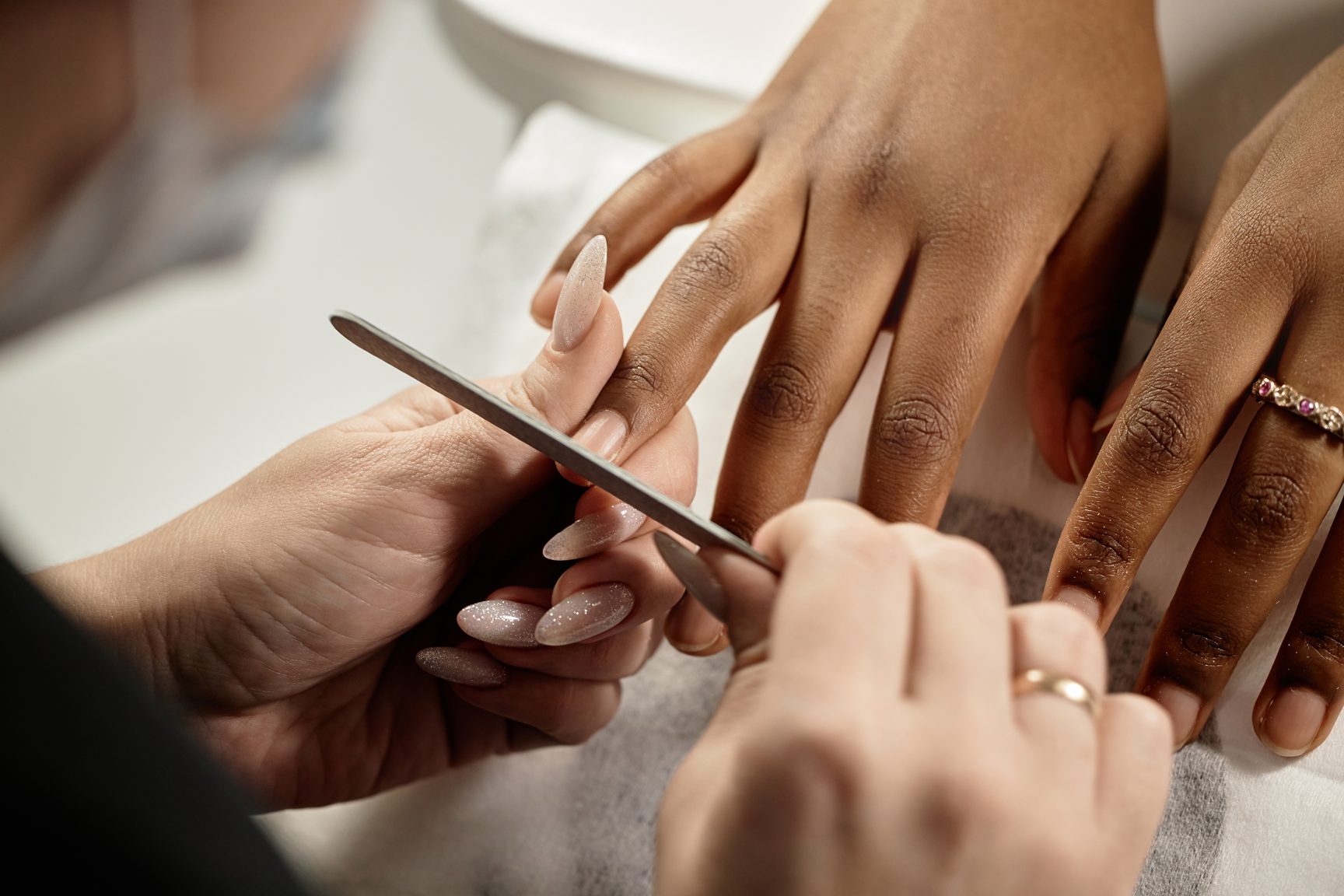
An Indiana nail salon is licensed as a “beauty culture salon” under IC 25-8-7, and each manicurist holds a license under IC 25-8-11. The state cosmetology board administers both, and the board may inspect the salon. Workers’ compensation is compulsory for an employer under the Act.
This page walks through those rules in the order a salon owner meets them, then ties each to the five coverages we place. Where the documents we saved say nothing, we say so instead of filling the gap.
The beauty culture salon license
The board’s compilation defines a “beauty culture salon” as an establishment licensed under IC 25-8-7 that offers beauty culture to the public. The same chapter says the board may issue a license to operate one, in IC 25-8-7-1. A nail salon falls here because the rules treat manicuring as part of beauty culture: IC 25-8-2-13 defines manicuring as cleaning, dressing, polishing, sculpting, tipping or wrapping the nails of a person’s hand.
To get the license, the applicant must meet the requirements in IC 25-8-7-2. They include a site that, if it shares a building with a residence, is separated from it by a substantial floor to ceiling partition with a separate entry; any building permit or certificate of occupancy the local rules require; the furnishings and equipment the board’s rules call for; and a verified statement that the salon will operate under the personal supervision of a person already licensed as a beauty culture professional.
Read that list as a leaseholder would. The site and the permits are tied to the space, so the application and the lease describe the same space. The compilation also lists a mobile salon as its own category, which matters if any of your work happens at a client’s location.
Manicurist licenses and the routes to one
The board may license a person to perform manicuring, under IC 25-8-11-1. The direct route is the examination route. The application under IC 25-8-11-4 must state, among other things, that the applicant graduated from a manicurist program in a beauty culture school and received a satisfactory grade on an examination for manicurist license applicants prescribed by the board.
Two other routes appear in the compilation. Under IC 25-8-4-2 the board may issue a license to someone holding a valid license from another jurisdiction whose requirements are substantially equal to Indiana’s. Under IC 25-8-11-8 an applicant from a jurisdiction that issues no manicurist license may receive an initial provisional license, and that person must work under the supervision of a licensed cosmetologist or licensed manicurist.
Why does this matter when a carrier quotes your salon? A quote assumes the people doing the work are licensed to do it. When we ask for your technicians’ license details, we are checking that the work described on the application matches the work the state allows. A provisional technician is one more reason to tell us who supervises whom.
What an inspector may do
The statute at IC 25-8-3-28 says a member of the board or any inspector or investigator may inspect a beauty culture salon during its regular business hours, and may inspect one before an initial license is issued. It is authority to inspect. We did not read a mandated frequency in the compilation, and we do not invent one.
The board’s civil-penalty program also lists engaging in beauty culture outside a beauty culture salon among its violations, in IC 25-8-3-30. The statute names the violation and leaves the rest to the board.
Workers’ compensation under the Indiana Act
The Workers’ Compensation Board of Indiana reproduces IC 22-3-5-1 on its compliance page. Every employer under the Act, except those exempted, must either insure the employer’s liability with a corporation, association or organization authorized to transact workers’ compensation insurance in Indiana, or furnish the board satisfactory proof of the employer’s financial ability to pay compensation directly. The regime is compulsory, and it is not an exclusive state fund: you may place the coverage with an authorized insurer.
The documents we read do not settle the rest. They do not give us the point at which a salon becomes an employer under the Act, and they do not give us how an owner is treated under it. We have not guessed at either, so we ask you to confirm those with the Workers’ Compensation Board or your insurer.
Insurance or a bond as a condition of licensing
In the compilation we saved, the requirements for a beauty culture salon license and the contents of a manicurist application do not mention insurance or a bond. We searched the compilation for insurance, liability, bond, surety and financial responsibility. The hits were elsewhere: the one performance bond belongs to beauty culture schools, and the insurance references are not conditions of a salon or manicurist license.
That covers the documents we read, which are the board’s compilation and an earlier edition of it. We did not search the wider Indiana Code outside them.
The five coverages against Indiana’s rules
General liability is the policy for a client’s injury in your space. The license rules we read do not ask for it, so the reason to carry it is the lease and your own exposure, not the license. The inspection authority means a board visit can happen to a working salon during its business hours.
Property covers the equipment and fixtures you own. IC 25-8-7-2 requires the furnishings and salon equipment the board’s rules call for, so a loss to that equipment can also stop you from meeting the equipment requirement until it is replaced.
Workers’ compensation is the policy the Act directs an employer to buy or prove it can pay for directly. For a salon with staff on payroll, that is the line the state itself addresses, and we cover the threshold and owner questions with you directly rather than guess.
Commercial auto matters only if a vehicle is part of the work. The compilation treats a mobile salon as its own category, and if you operate one the vehicle belongs on this policy, not the salon’s property policy.
Umbrella sits above general liability and, depending on the form, other liability lines. We found nothing in Indiana’s licensing documents that changes it, so it is a judgment about your lease and your limits. The nail salon insurance hub lays out how the pieces fit.
What we ask you to send
Send the beauty culture salon license, each manicurist’s license, and a note on who supervises any provisional technician. Add your payroll summary and the lease page that describes the space. Those match the documents the state works from: the salon license is tied to a site, the technician licenses are tied to people, and the payroll tells us where the Act applies.
The statutes behind this page are in the board’s compilation at the Indiana licensing agency and on the Workers’ Compensation Board compliance page.
A license lets the salon open its doors; the insurance program is what answers a claim.
- A license is a condition of operating, not insurance, so no line is drawn from the license itself.
- Technician license is not verified at the state level, so no line is drawn from it.
A panel for Indiana in rows. Each row sets a requirement of the state beside the exposure that requirement leaves open and the coverage line that answers it. Salon license: The state licenses the salon itself. It leaves open a customer hurt in the salon, or a customer’s property damaged there, which General Liability answers. Technician license: Not verified at the state level. No connector is drawn for this row. Workers’ compensation: State law requires the employers it covers to provide it. It leaves open an employee hurt on the job, which Workers’ Compensation answers. Notes: A license is a condition of operating, not insurance, so no line is drawn from the license itself. Technician license is not verified at the state level, so no line is drawn from it. The conclusion reads: A license lets the salon open its doors; the insurance program is what answers a claim. No figures are shown.
Nail salon insurance in nearby states
Indiana borders the states below. A name is a link once its page is published.
Why Protect My Nail Salon in Indiana
We are an independent agency that writes for one kind of business, the nail salon, and each state page starts from the state’s own licensing and workers’ compensation documents. When we quote a salon in Indiana we read the policies against those rules and against your lease, and we tell you plainly where something does not line up.
We place coverage in 48 states, and every coverage on one page sets out the five policies a salon program is built from. Our guides for salon owners take single questions further; for an owner in Indiana, a good next read is our guide to professional liability for nail salons, because a claim from the service itself can sit outside a plain general liability form.
For a closer look, read our guide to getting nail salon business insurance in Indiana, which takes the license, the workers’ compensation question and the quote in the order an owner meets them.
Indiana coverage pages
Coverage for your salon
Indiana nail salon insurance questions
Do I have to hold a manicurist license myself to own a salon in Indiana?
The documents we read do not say. They define a beauty culture salon as an establishment licensed under IC 25-8-7 and they set a separate manicurist license under IC 25-8-11. We did not find a sentence tying ownership to holding a technician license.
What does a manicurist from another jurisdiction have to do before working for me?
The board may issue an Indiana license to a person who holds a valid license elsewhere, if it finds that the other jurisdiction imposes substantially equal requirements (IC 25-8-4-2). Where an applicant comes from a jurisdiction that issues no manicurist license, the board may issue an initial provisional license under IC 25-8-11-8, and that technician must work under a licensed cosmetologist or licensed manicurist.
Can the board walk in during my opening hours?
The statute says a board member, inspector or investigator may inspect a beauty culture salon during its regular business hours. The same section allows inspection before an initial license is issued. It authorizes inspection and does not set a schedule.
Is a school-style bond something my salon has to post?
No bond appears in the salon license requirements we read. The only performance bond in the board’s compilation is listed among the items for a beauty culture school, not a salon or a manicurist.
Does the Workers’ Compensation Board let me insure outside the state system?
The compliance page reproduces IC 22-3-5-1, which lets an employer insure with a corporation, association or organization authorized to transact workers’ compensation insurance in Indiana, or furnish the board satisfactory proof of the ability to pay compensation directly.
What happens if I run my work outside a licensed salon?
The board’s civil-penalty program lists engaging in beauty culture outside a beauty culture salon as one of its violations, under IC 25-8-3-30. The statute names the violation; read it alongside the mobile salon provisions if you take services to clients.
This page describes insurance for nail salons operating in this state. It is general information, not legal advice and not a statement of coverage. Licensing, registration and sanitation requirements change; verify current requirements with the agency named before relying on them.
Get a quote for your Indiana nail salon
Send us your salon license, your manicurist licenses and your payroll summary, and we will quote against the documents the state already holds on you.